








La montée en puissance des grandes entreprises spécialisées dans la technologie aux Etats-Unis suscite des débats houleux, dans un contexte d’explosion des inégalités économiques et sociales et de suspicions de connivence avec les dirigeants politiques. Il est crucial de saisir l’ensemble des enjeux, et de pouvoir en parler abondamment en colle ainsi qu’en DS. Incontournable, cet article brosse le portrait de firmes qui s’accaparent une partie de plus en plus substantielle des richesses , et des conséquences de leur croissance. Je te conseille d’appliquer la méthode des bullet points, comme ci-dessous, pour être efficace lorsque tu fais des fiches de civilisation.
1. Key facts :
- GAFAM : Google (now Alphabet), Amazon, Facebook (Meta), Apple, Microsoft
- Often extended to include Netflix, Tesla, and other tech giants.
- Ultradominance : Amazon employs over 1.5 million people worldwide, Meta owns Facebook, Instagram, WhatsApp → > 3 billion active users monthly, Google handles 90% of global search queries.
- Giants : combined market capitalization : $9 trillion (2024)
- GAFAM represent the leading U.S. digital giants controlling data, infrastructure, and innovation.
- Core assets: user data, AI algorithms, digital ecosystems, and network effects.
- Influence spans economy, politics, culture, and global governance.
- Their power is reinforced by network effects: the more people use a platform, the more attractive it becomes for other users and advertisers. This can create very high barriers to entry for new competitors.
- Big Tech companies are also becoming increasingly important in artificial intelligence, cloud computing and semiconductors, making them strategic actors rather than merely private companies.
2. Big Tech and D.Trump : coexistence or collaboration ?
Trump’s Rhetoric Against Big Tech
1. Conflictual Coexistence: Trump vs. Big Tech
- Trump repeatedly claimed Big Tech (especially Twitter, Facebook, Google) was “silencing conservative voices”.
- Example: “They’re trying to rig the election!” (2020, referring to fact-checking labels on his posts). During his first mandate, D.Trump often threatened to “break up” monopolies like Google or Amazon.
- Twitter/Facebook/YouTube banned Trump after the Capitol riot (Jan 6, 2021) for inciting violence. Trump immediately decided to sue these companies, but the lawsuits were dismissed in 2022, as he created his own social media, as an alternative to what he called “censorship” (Truth Social)
- Platforms added fact-checking labels to Trump’s posts on election fraud and COVID-19 (2020-2021).
- This conflict illustrates a broader debate over whether private platforms should be considered neutral intermediaries or active gatekeepers of public discourse.
2. Opportunistic Collaboration: Trump’s Dependence on Big Tech
- After E. Musk’s acquisition of Twitter, he announced in November, 2022 that D.Trump’s account would be reinstated => conflict of interests. Trump seeks to build close, personal ties with the leaders of GAFAM, such as Zuckerberg, as almost of all them praised the outcome of the 2025 election.
- Recently, Big Tech (including Apple, Amazon) and other publicly traded companies are helping to finance the $300 million White House ballroom planned by President Donald Trump.
- Strategic collaboration : Trump has introduced policies resembling 17th-century mercantilism, aiming to bolster domestic tech industries through tariffs and incentives for U.S.-based manufacturing. In return, BigTech CEOs stand at Donald Trump’s side, as when Jeff Bezos forbade the journalists of the Washington Post to support Kamala Harris.
- In July 2025, Trump announced plans to enhance America’s global dominance in AI by reducing environmental regulations to expedite the construction of AI supercomputers and promoting the sale of U.S.-made AI technologies, obviously fostering BigTech companies. Donald Trump stated that he is prepared to levy significant additional tariffs on countries that take action against American digital giants, and former Elon Musk’s appointment in DOGE confirmed that TechGiants was D.Trump’s priority in the White House.
- AI has become a strategic priority for the Trump administration: in January 2025, Trump signed an executive order aimed at removing regulatory barriers to American AI innovation and maintaining U.S. leadership in the sector.
- In January 2025, Mark Zuckerberg met Donald Trump at Mar-a-Lago, illustrating the growing proximity between parts of Silicon Valley and the new administration.
3. Key issues :
Economic issues :
- Monopolistic practices and market dominance : Antitrust lawsuits have been launched in the U.S. against Google, Meta, and Amazon. Critics say they crush competition and exploit user data (Cambridge Analytica)
- Tax Avoidance : the “Silicon Six” (Amazon, Meta, Alphabet, Netflix, Apple, and Microsoft) have been accused of avoiding nearly $278 billion in U.S. corporate taxes over the past decade.
- Key driver of innovation : especially in AI, semiconductors, cloud computing…
- Big Tech also invests enormous amounts in AI infrastructure. For instance, Meta announced plans to invest tens of billions of dollars in AI infrastructure in 2025, illustrating the enormous capital requirements of the new AI race.
Legal and ethical issues : Regulation
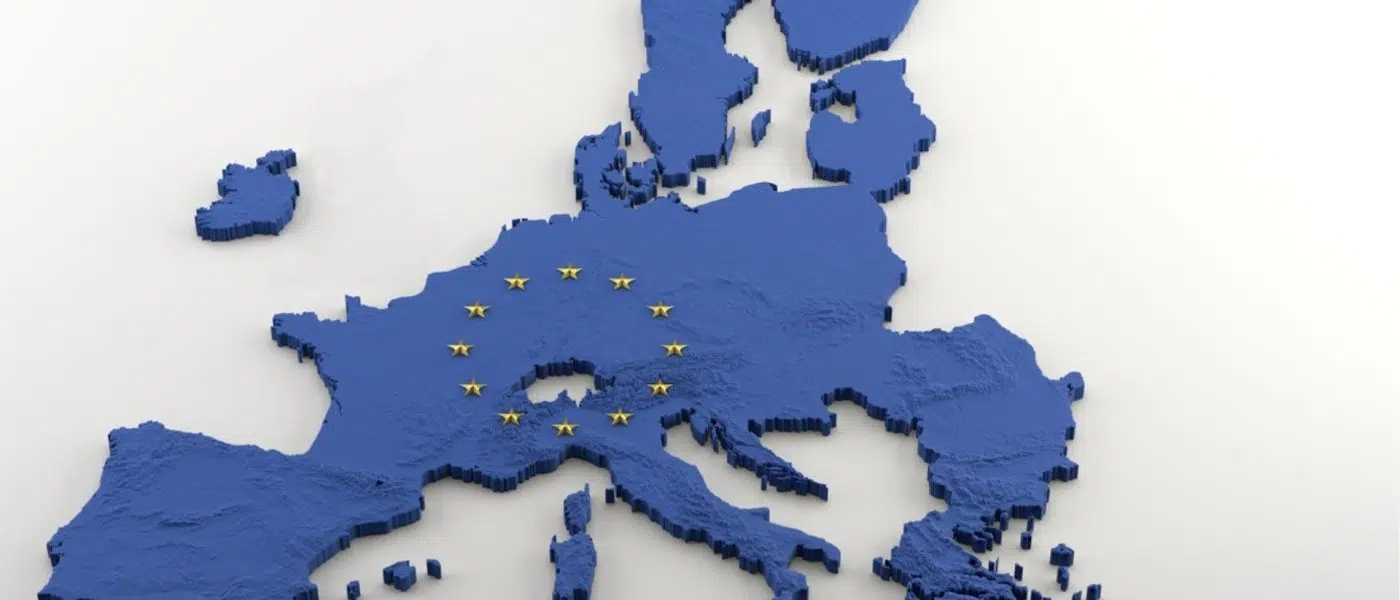
- Big Tech reflects U.S. dominance in the digital sphere, enhanced by the American laissez-faire. The EU is responding with stricter regulation (GDPR in 2018, Digital Services Act, Digital Markets Act).
- Disinformation : Meta reduced fact-checking partnerships in 2023, citing high costs. Twitter/X eliminated its fact-checking program in 2023.
- More broadly, the regulation of Big Tech raises a fundamental dilemma: how can governments protect consumers and democracy without excessively restricting innovation?
- In January 2025, Meta announced that it would end its third-party fact-checking programme in the United States and move towards a Community Notes model.
Political issues :
- As gatekeepers of information, these platforms influence elections and public discourse. The central debate opposes free speech to online safety and platform responsibility
- Cambridge Analytica used 87 million Facebook users’ data to target misleading political ads, allowing D.Trump to become president of the U.S.
- More generally, the Cambridge Analytica scandal raised concerns about political micro-targeting, showing how personal data can potentially be transformed into a political tool.
- Big Tech therefore raises a new question about democracy: can unelected private companies exercise political power simply because they control the platforms through which citizens communicate and access information?
4. Possible essays questions :
- Are GAFAM too powerful to be regulated?
- Is democracy compatible with the rise of Big Tech?
- Has Big Tech become a political power in its own right?
- Should private companies control political speech online?
- Is the world becoming dependent on American technology?
- Can governments still control companies that control essential digital infrastructures?
- Do Big Tech firms threaten or strengthen democracy?
- Has the Trump–Big Tech conflict changed our view of free speech?
- Can Europe defend its digital sovereignty against GAFAM?
- Is data ownership the key political issue of the 21st century?
- Does Big Tech encourage or hinder innovation?
- Does the rise of AI reinforce the economic and geopolitical power of Big Tech?